Many people know the story from Exodus 3, where Moses – having fled from Egypt, and tending his father-in-law’s sheep in Horeb – sees a bush that appears to be burning, and yet which never actually burns up. God’s angel Continue reading


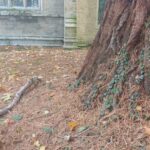
 A native of California. It is an endangered species – only 80,000 in the world. There are three in Barnack, this one in Bainton, and others in the United Kingdom which were grown from seed that arrived here in 1853 Continue reading
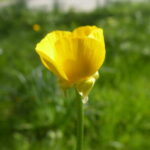
An early flowering buttercup species, one of four buttercup species found in Bainton and Ashton. Flowers from mid-March to May. Easily distinguished from other buttercup species by the down-turned sepals.

Prefers lighter soils so is mainly found Continue reading


A British native species, the only scented violet. Flowering locally from early March to April. Sweet Violet is fairly common on hedgebanks and in scrub and open woodland and is often found naturalised in churchyards. Tends Continue reading

Another spring wildflower found in Bainton churchyard. Usually flowers April to May. Cowslips are mostly found on the north side of Bainton church, and are becoming established on the Pinfold and the Church Lane verge too.
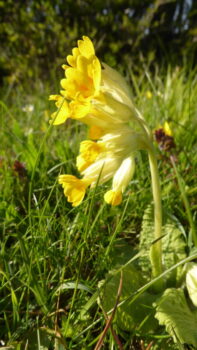
Cowslips Continue reading

Primroses in Bainton churchyard

Primroses are abundant in Bainton churchyard in spring, usually flowering March to April, although a few flowers will often appear in mid-winter. The primroses here come in shades of soft yellows and pinks, Continue reading
